Finding Comfort in Familiar Things After Loss

Grief can change the way everyday objects feel.
A robe hanging on the back of a door, a favorite coat, a bottle of perfume, or a paint-spattered shirt may become more than an item someone left behind. It can become a source of comfort, connection, and memory.
For many people, these small reminders offer a way to feel close to someone they love after that person has died.
The Comfort of Familiar Belongings
In a novel I recently read, a woman loses her husband suddenly. He was an artist, and after his death, she finds herself returning to his studio and wearing the paint-spattered clothes he wore while working.
She has other clothing of his at home, but it is the clothes connected to his creative life that bring her comfort.
This response may sound unusual to some people, but it is actually a deeply human part of grieving. In bereavement groups, people often share stories about holding onto or wearing items that belonged to someone they lost.
In one of my bereavement groups, a man who had lost his wife shared, somewhat self-consciously, that he liked wearing her robe. Feeling the fabric around him helped him remember her love and the closeness they had shared.
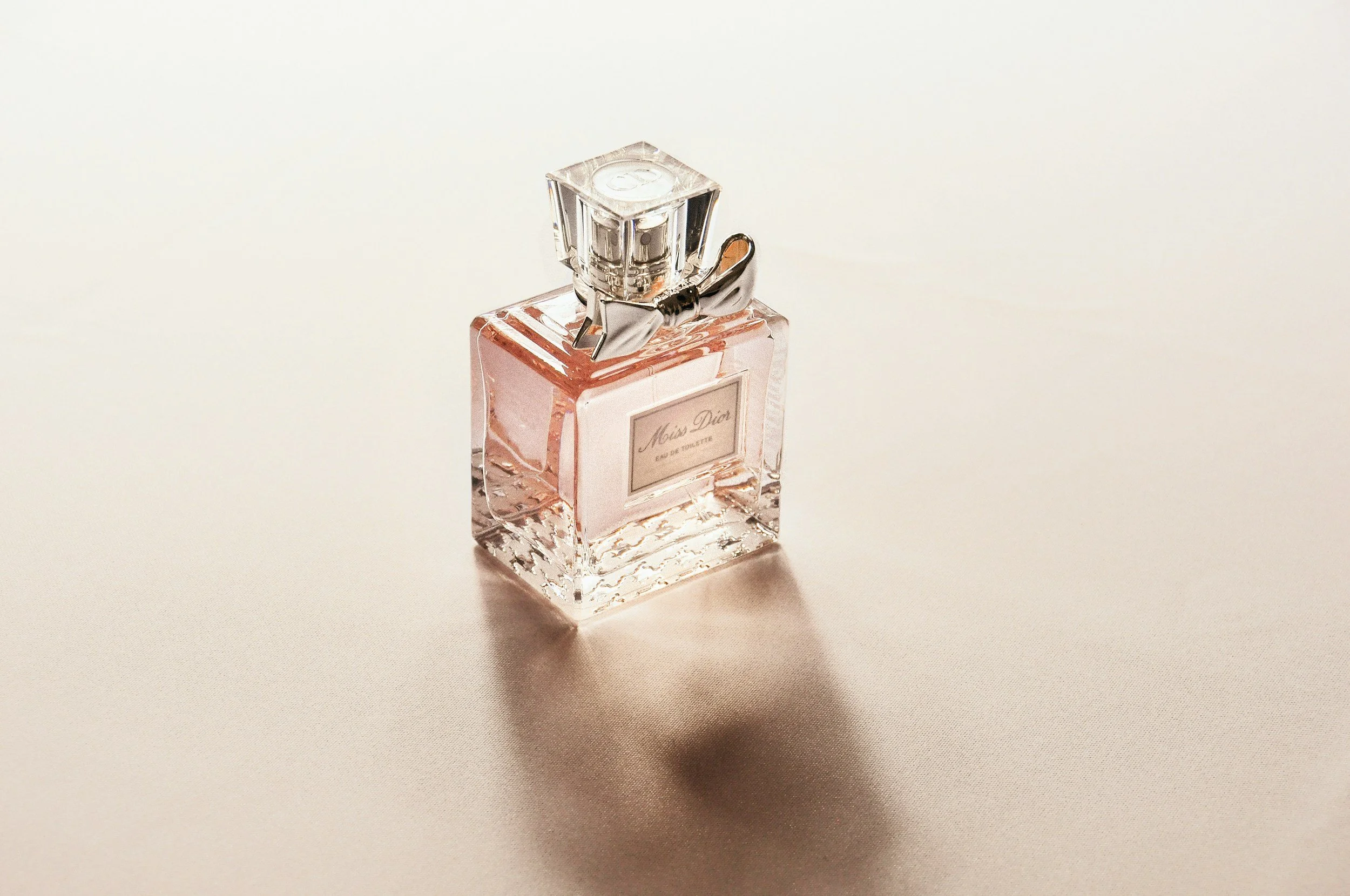
In another group, an adult daughter spoke about keeping her mother’s perfume. The scent reminded her of her mother in an immediate and powerful way.
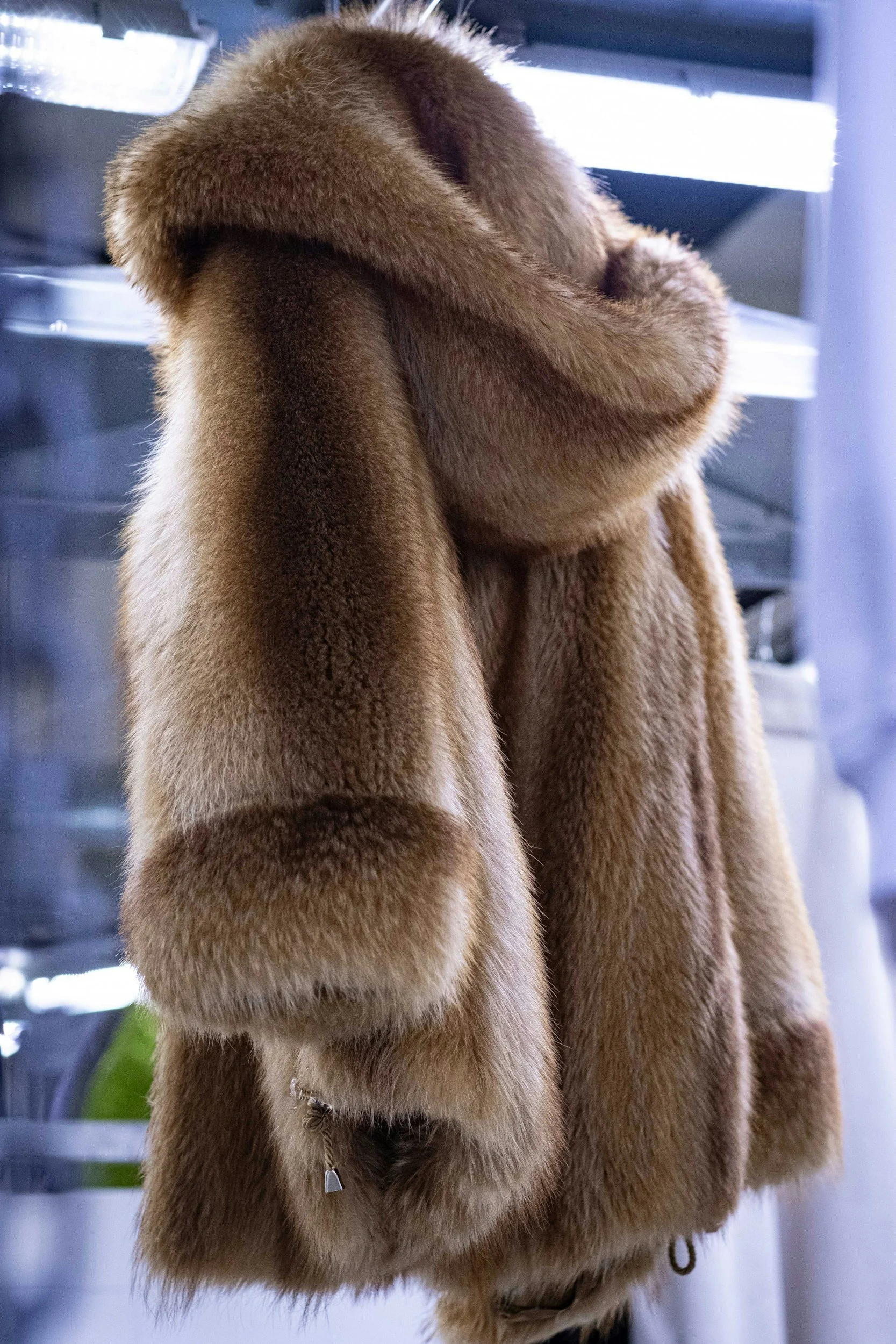
Others have had a spouse’s coat altered so they could wear it themselves. Wearing the coat gave them a sense of comfort and connection, almost as if they were carrying a piece of that person’s warmth with them.
Two Feelings Can Exist at Once
These experiences can bring up strong emotions. You may feel comforted by an item one moment and overwhelmed with sadness the next.
Grief often holds two feelings at the same time: the pain of missing someone deeply and the love that continues after they are gone. Finding comfort in a loved one’s belongings does not mean you are “stuck” in grief or failing to move forward.
It may simply mean that the relationship still matters.
Love does not disappear when someone dies. It changes form. Objects, scents, music, places, and traditions can become gentle ways to remember the connection you shared.
Give Yourself Permission for Comfort
There is no single correct way to grieve. Some people want to keep a loved one’s belongings close. Others may not be ready to look at them for a long time. Some may choose to save one meaningful item and give away the rest.
If a certain item brings you comfort, it is okay to let it do so. You might wear a loved one’s sweater on difficult days, keep their favorite mug in your kitchen, light a candle beside their photograph, or save a voicemail you are not ready to delete.
The goal is not to avoid grief, but to find caring, manageable ways to live alongside it.
Small Ways to Stay Connected
You may find comfort in creating your own personal ritual around an item that reminds you of someone you love. For example:
Wear a piece of their clothing or jewelry/
Keep a favorite scent, such as perfume, aftershave, or a familiar soap.
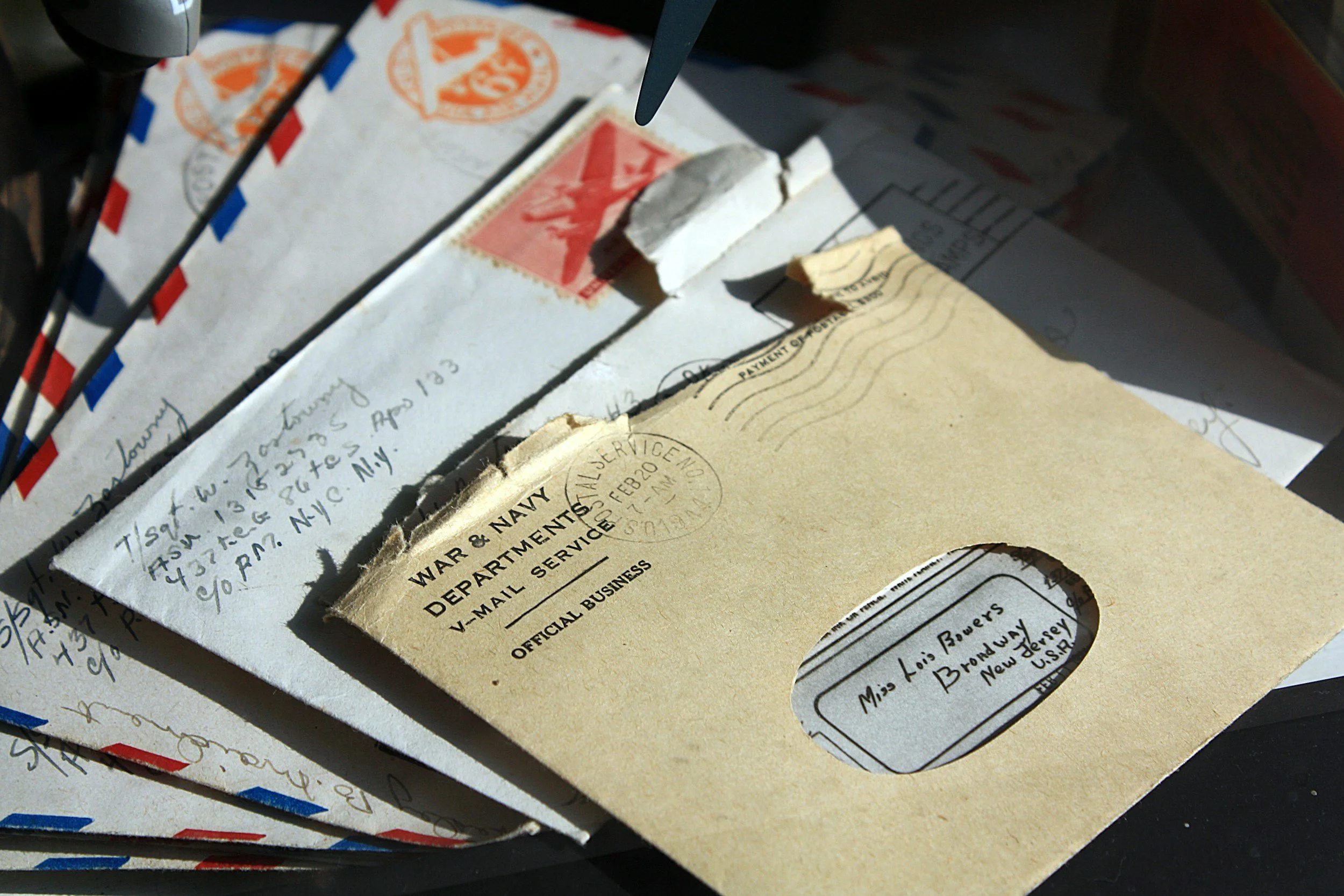
Create a memory box with photographs, letters, recipes, cards, or small objects.
Alter a meaningful garment into a scarf, pillow, quilt, or keepsake.
Play music that reminds you of them when you want to feel close.
Make their favorite meal and share stories about them with family or friends.
Write down memories that come to you when you hold or see a particular item.
A simple ritual can offer a moment of grounding when grief feels especially heavy.
Grief and Love Remain Connected
The belongings of someone who has died can hold memories, emotion, and meaning. They may remind you of how you were loved, how you loved them, and the life you shared.
It is natural to seek comfort in those connections.
Be gentle with yourself as you grieve. Allow room for sadness, memory, longing, and love. Even in the most difficult moments, a familiar object or scent may offer a small reminder that the relationship you shared continues to matter.
