Finding Comfort in Familiar Things After Loss


Grief can change the way everyday objects feel.
A robe hanging on the back of a door, a favorite coat, a bottle of perfume, or a paint-spattered shirt may become more than an item someone left behind. It can become a source of comfort, connection, and memory.
For many people, these small reminders offer a way to feel close to someone they love after that person has died.
The Comfort of Familiar Belongings
In a novel I recently read, a woman loses her husband suddenly. He was an artist, and after his death, she finds herself returning to his studio and wearing the paint-spattered clothes he wore while working.
She has other clothing of his at home, but it is the clothes connected to his creative life that bring her comfort.
This response may sound unusual to some people, but it is actually a deeply human part of grieving. In bereavement groups, people often share stories about holding onto or wearing items that belonged to someone they lost.
In one of my bereavement groups, a man who had lost his wife shared, somewhat self-consciously, that he liked wearing her robe. Feeling the fabric around him helped him remember her love and the closeness they had shared.
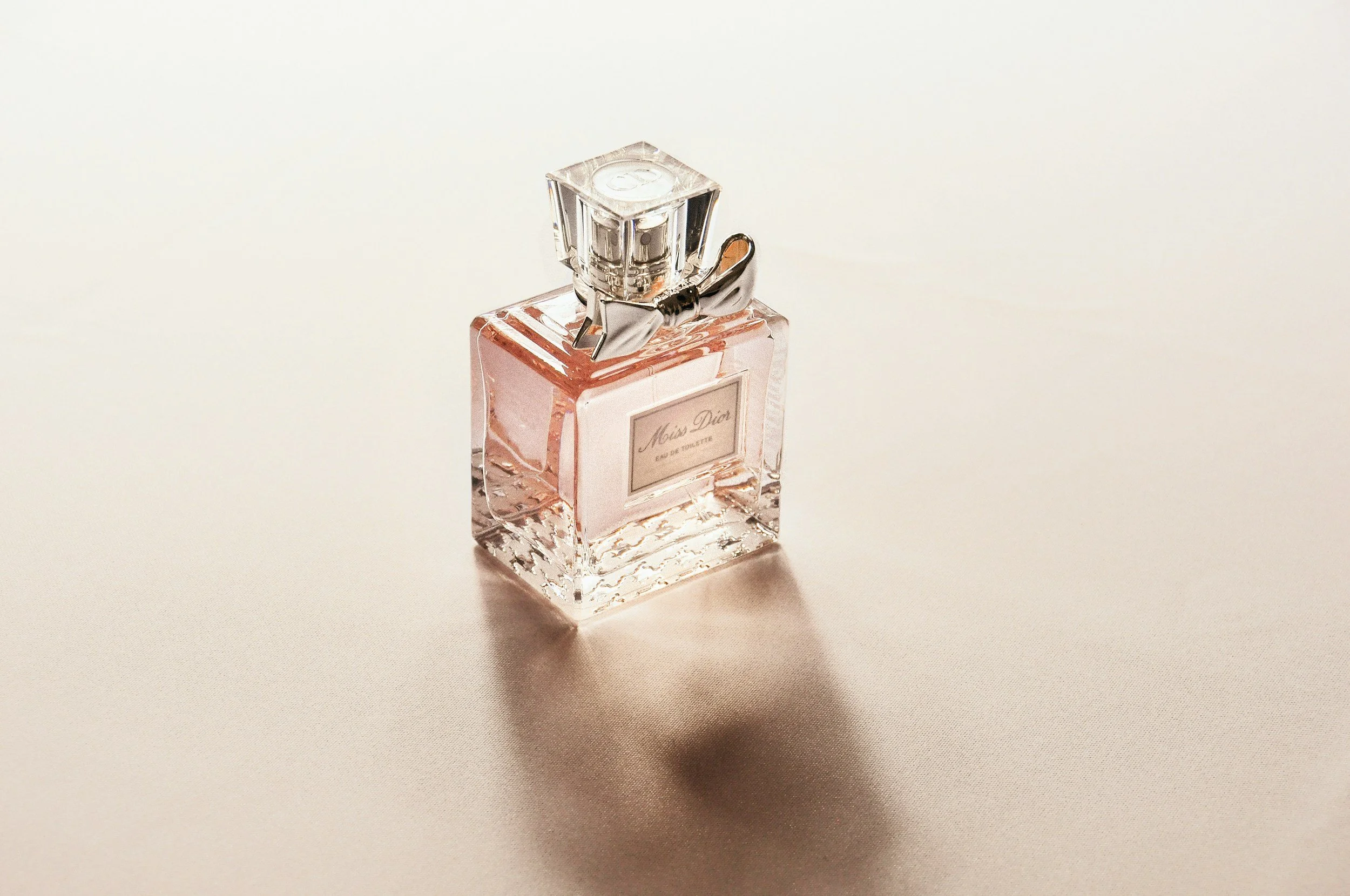
In another group, an adult daughter spoke about keeping her mother’s perfume. The scent reminded her of her mother in an immediate and powerful way.
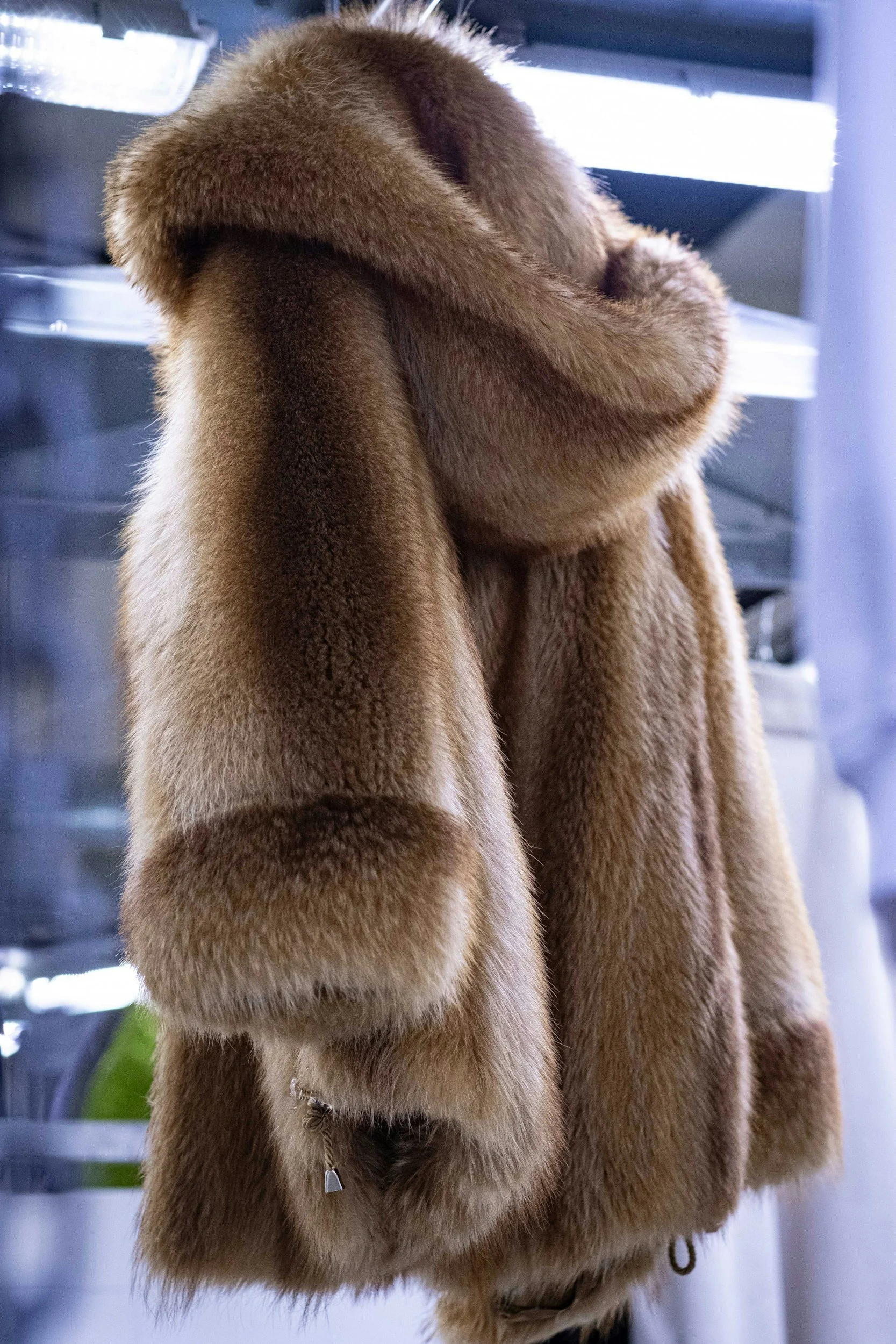
Others have had a spouse’s coat altered so they could wear it themselves. Wearing the coat gave them a sense of comfort and connection, almost as if they were carrying a piece of that person’s warmth with them.
Two Feelings Can Exist at Once
These experiences can bring up strong emotions. You may feel comforted by an item one moment and overwhelmed with sadness the next.
Grief often holds two feelings at the same time: the pain of missing someone deeply and the love that continues after they are gone. Finding comfort in a loved one’s belongings does not mean you are “stuck” in grief or failing to move forward.
It may simply mean that the relationship still matters.
Love does not disappear when someone dies. It changes form. Objects, scents, music, places, and traditions can become gentle ways to remember the connection you shared.
Give Yourself Permission for Comfort
There is no single correct way to grieve. Some people want to keep a loved one’s belongings close. Others may not be ready to look at them for a long time. Some may choose to save one meaningful item and give away the rest.
If a certain item brings you comfort, it is okay to let it do so. You might wear a loved one’s sweater on difficult days, keep their favorite mug in your kitchen, light a candle beside their photograph, or save a voicemail you are not ready to delete.
The goal is not to avoid grief, but to find caring, manageable ways to live alongside it.
Small Ways to Stay Connected
You may find comfort in creating your own personal ritual around an item that reminds you of someone you love. For example:
Wear a piece of their clothing or jewelry/
Keep a favorite scent, such as perfume, aftershave, or a familiar soap.
Create a memory box with photographs, letters, recipes, cards, or small objects.
Alter a meaningful garment into a scarf, pillow, quilt, or keepsake.
Play music that reminds you of them when you want to feel close.
Make their favorite meal and share stories about them with family or friends.
Write down memories that come to you when you hold or see a particular item.
A simple ritual can offer a moment of grounding when grief feels especially heavy.
Grief and Love Remain Connected
The belongings of someone who has died can hold memories, emotion, and meaning. They may remind you of how you were loved, how you loved them, and the life you shared.
It is natural to seek comfort in those connections.
Be gentle with yourself as you grieve. Allow room for sadness, memory, longing, and love. Even in the most difficult moments, a familiar object or scent may offer a small reminder that the relationship you shared continues to matter.

When Childhood Loss Returns in Adulthood

Losing a parent in childhood is an incredibly difficult experience that can reshape a person’s inner world long before they have the tools to understand what is happening. As a child, survival often comes first. Grief may be pushed aside, not because it is small, but because there was no time, space, or guidance to truly feel it.
For many people, the impact of that early loss returns years later, sometimes with new intensity or unexpected questions. You might notice:
A deep longing when you see others with their parents.
Trust or attachment struggles in close relationships.
Grief that resurfaces around major life milestones such as marriage, becoming a parent, career changes, or another loss.
A sense that no one truly acknowledged what you went through, or that you had to be “the strong one.”
As an adult, you may finally have enough space to turn toward this grief. Somatic, present-focused work can support this process in a gentle and practical way. Rather than trying to solve the past, this kind of healing invites you to notice how that early loss still lives in your body, your emotions, and your daily rhythms.
Gentle Ways to Reconnect with Yourself
Simple body-based practices can help create safety and presence as you revisit old pain:
Breath awareness brings more space around waves of emotion.
Grounding practices, such as noticing your feet on the floor, help you stay steady when memories arise.
Gentle movement and posture awareness can ease patterns of physical tension that grief often leaves behind.
You might begin by exploring how you speak to yourself when sorrow is stirred, how you care for your body on harder days, or what small rituals of remembrance feel meaningful to you. Even tiny acts of compassion can begin to rebuild trust within yourself.
Honoring Both Loss and Growth
Healing does not mean forgetting the parent you lost or minimizing what happened. It means learning to carry the loss with more kindness toward yourself, to make space for both the love that remains and the pain that shaped you.
Over time, you can honor three truths at once:
the child you were,
the parent you lost,
and the life you are building now.

Healing After a Breakup: Understanding Relationship Loss

Whether it ended by choice or circumstance, the pain that follows a breakup can feel overwhelming. Many people find it difficult to explain their feelings after a breakup because they are grieving something that others might not fully see. It is important to understand that what you are feeling is a real form of loss.
Although a breakup is different from the death of a loved one, the emotional response can be similar. The loss of a partner can bring feelings of both uncertainty and depression. In bereavement practice, this is sometimes called an ambiguous loss. It refers to a loss that is genuine and painful but not always recognized by others. When this recognition is missing, it can slow the healing process and create a sense of isolation.
Acknowledging your grief is a vital step toward recovery. Giving words to your experience helps to make it more manageable. Talking about what happened with a counselor or trusted friend(s) can make the emotions easier to face. Sharing your story is part of how meaning begins to return after loss.
Reflection also plays an essential role in healing after a breakup. It can help to think about what was valuable in the relationship and what no longer served you well. This understanding builds awareness of what you hope to create in future connections. The feelings of love and commitment that you brought into the relationship still exist within you. In time, they can take new forms that continue to enrich your life.
Recovery from relationship loss happens gradually as you begin to find stability again. With understanding and gentleness toward yourself, it becomes possible to move forward with a quieter mind and a stronger sense of who you are.
Somatic Psychotherapy, Alexander Technique and Bereavement Published in the AMSAT Journal.
This article was based on a series of lectures and my work as a grief psychotherapist.
My Article Somatic Psychotherapy, Alexander Technique, and Bereavement Published in the American Journal for Alexander Technique.