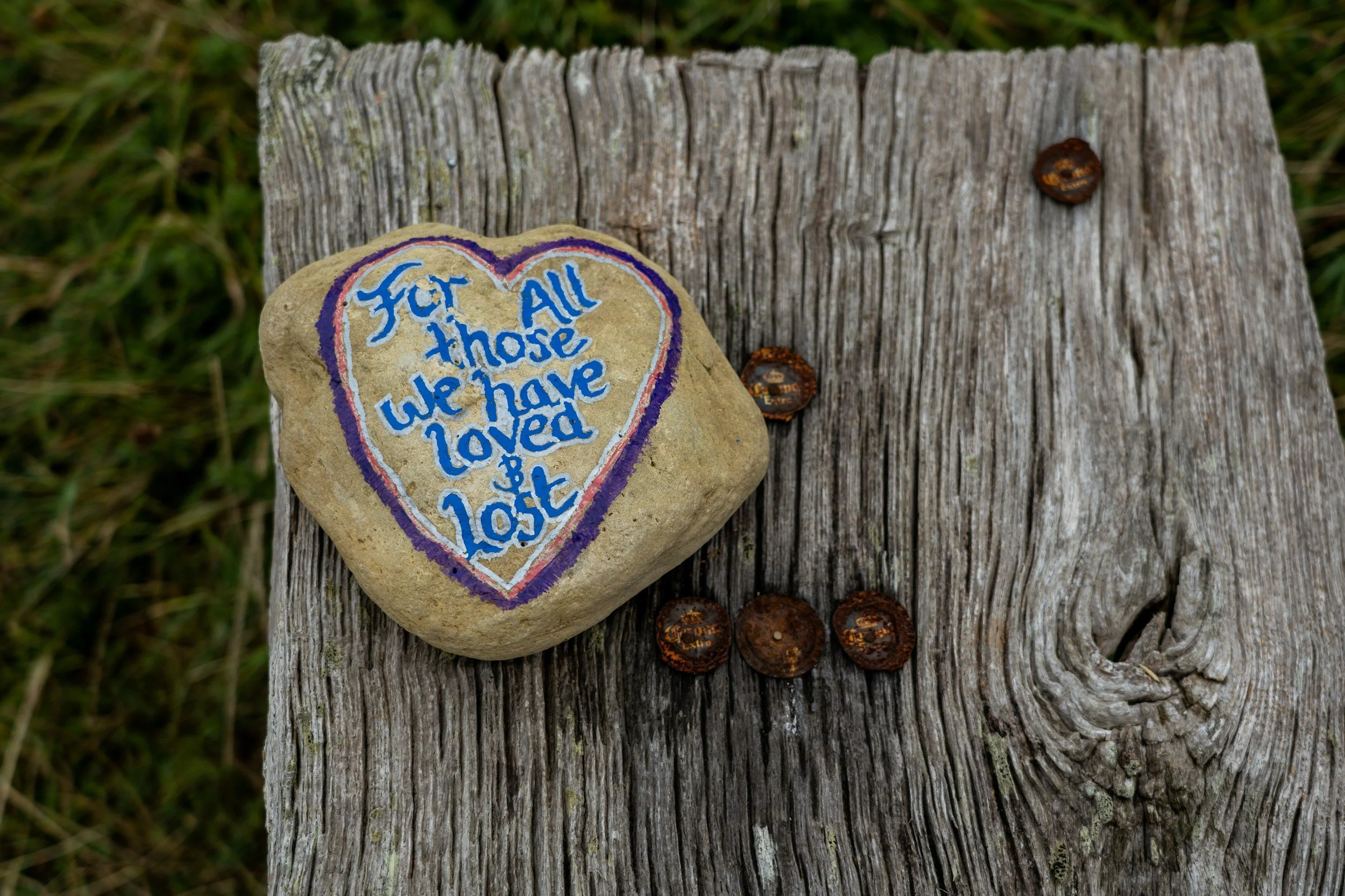
When Childhood Loss Returns in Adulthood
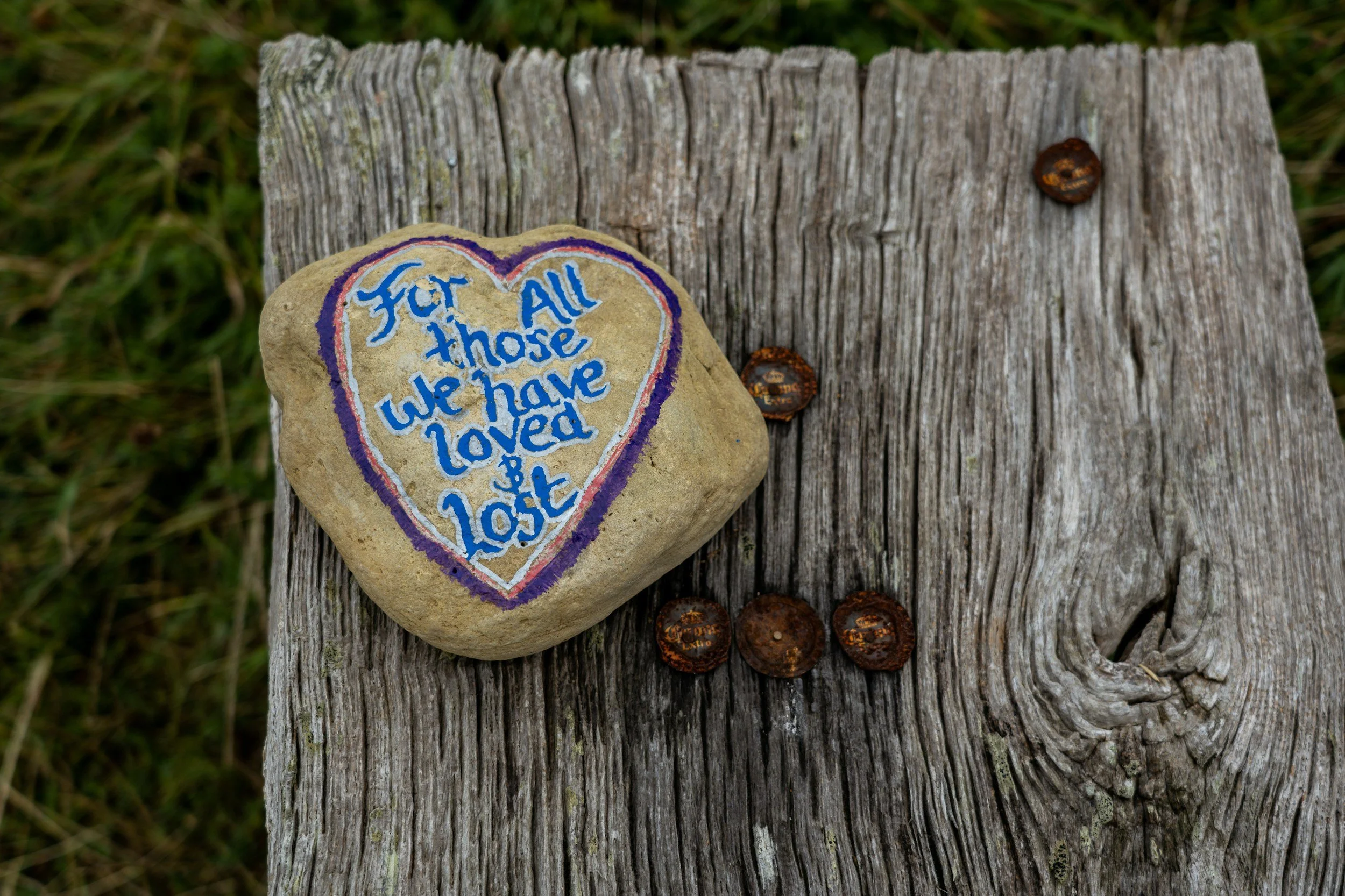
Losing a parent in childhood is an incredibly difficult experience that can reshape a person’s inner world long before they have the tools to understand what is happening. As a child, survival often comes first. Grief may be pushed aside, not because it is small, but because there was no time, space, or guidance to truly feel it.
For many people, the impact of that early loss returns years later, sometimes with new intensity or unexpected questions. You might notice:
A deep longing when you see others with their parents.
Trust or attachment struggles in close relationships.
Grief that resurfaces around major life milestones such as marriage, becoming a parent, career changes, or another loss.
A sense that no one truly acknowledged what you went through, or that you had to be “the strong one.”
As an adult, you may finally have enough space to turn toward this grief. Somatic, present-focused work can support this process in a gentle and practical way. Rather than trying to solve the past, this kind of healing invites you to notice how that early loss still lives in your body, your emotions, and your daily rhythms.
Gentle Ways to Reconnect with Yourself
Simple body-based practices can help create safety and presence as you revisit old pain:
Breath awareness brings more space around waves of emotion.
Grounding practices, such as noticing your feet on the floor, help you stay steady when memories arise.
Gentle movement and posture awareness can ease patterns of physical tension that grief often leaves behind.
You might begin by exploring how you speak to yourself when sorrow is stirred, how you care for your body on harder days, or what small rituals of remembrance feel meaningful to you. Even tiny acts of compassion can begin to rebuild trust within yourself.
Honoring Both Loss and Growth
Healing does not mean forgetting the parent you lost or minimizing what happened. It means learning to carry the loss with more kindness toward yourself, to make space for both the love that remains and the pain that shaped you.
Over time, you can honor three truths at once:
the child you were,
the parent you lost,
and the life you are building now.
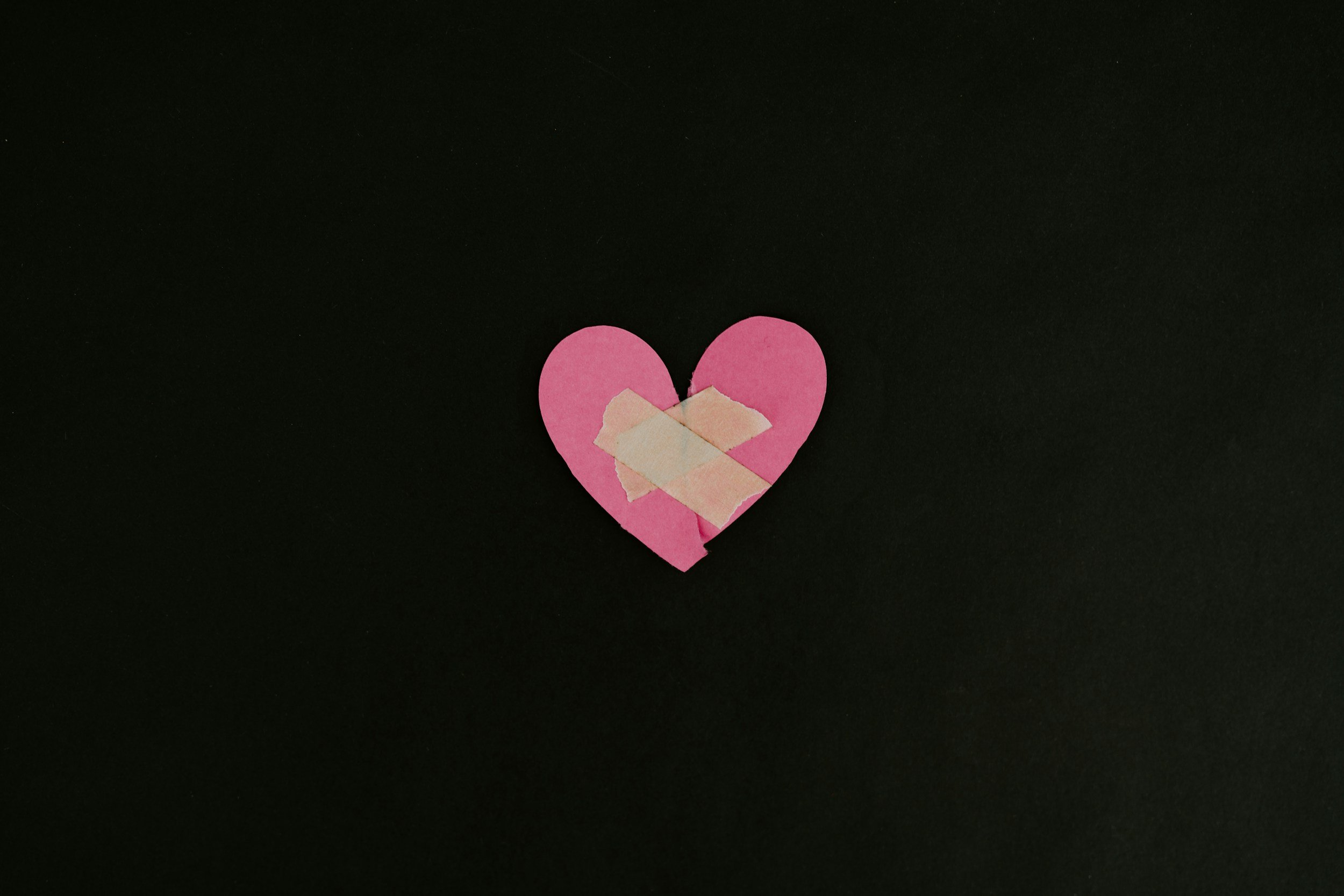
Healing After a Breakup: Understanding Relationship Loss
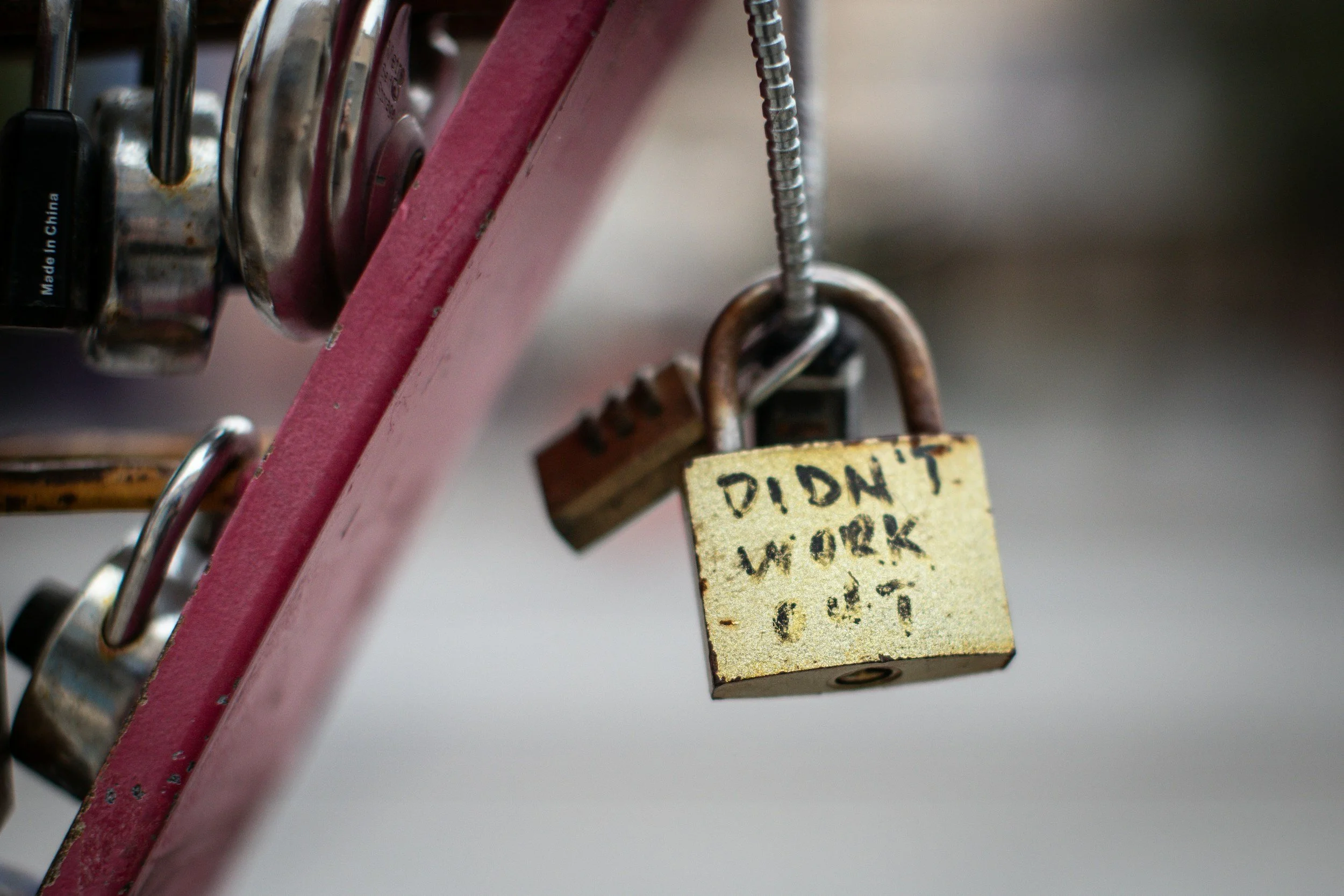
Whether it ended by choice or circumstance, the pain that follows a breakup can feel overwhelming. Many people find it difficult to explain their feelings after a breakup because they are grieving something that others might not fully see. It is important to understand that what you are feeling is a real form of loss.
Although a breakup is different from the death of a loved one, the emotional response can be similar. The loss of a partner can bring feelings of both uncertainty and depression. In bereavement practice, this is sometimes called an ambiguous loss. It refers to a loss that is genuine and painful but not always recognized by others. When this recognition is missing, it can slow the healing process and create a sense of isolation.
Acknowledging your grief is a vital step toward recovery. Giving words to your experience helps to make it more manageable. Talking about what happened with a counselor or trusted friend(s) can make the emotions easier to face. Sharing your story is part of how meaning begins to return after loss.
Reflection also plays an essential role in healing after a breakup. It can help to think about what was valuable in the relationship and what no longer served you well. This understanding builds awareness of what you hope to create in future connections. The feelings of love and commitment that you brought into the relationship still exist within you. In time, they can take new forms that continue to enrich your life.
Recovery from relationship loss happens gradually as you begin to find stability again. With understanding and gentleness toward yourself, it becomes possible to move forward with a quieter mind and a stronger sense of who you are.